

Introduction
In today’s digital world, cybersecurity is more important than ever. Businesses rely on technology to operate efficiently, but that also makes them a target for cybercriminals. Understanding cyber threats, risks, and vulnerabilities is the first step toward protecting your organization from costly security breaches. In this guide, we’ll break down these terms in simple English, provide real-world examples, and share strategies to help businesses stay safe.

What is a Cyber Threat?
A cyber threat is any event or action that could harm an organization’s data, operations, or systems. These threats can come from malicious hackers, insider threats, or even natural disasters.
Examples of Cyber Threats:
- Malware – Viruses, worms, ransomware, and spyware that infect systems and steal or destroy data.
- Phishing Attacks – Fraudulent emails or messages trick employees into revealing sensitive information.
- Denial-of-Service (DoS) Attacks – Overloading systems to shut down websites or services.
- Insider Threats – Employees or contractors who misuse their access to harm the organization.
- Zero-Day Exploits – Attacks on vulnerabilities that software vendors haven’t yet patched.
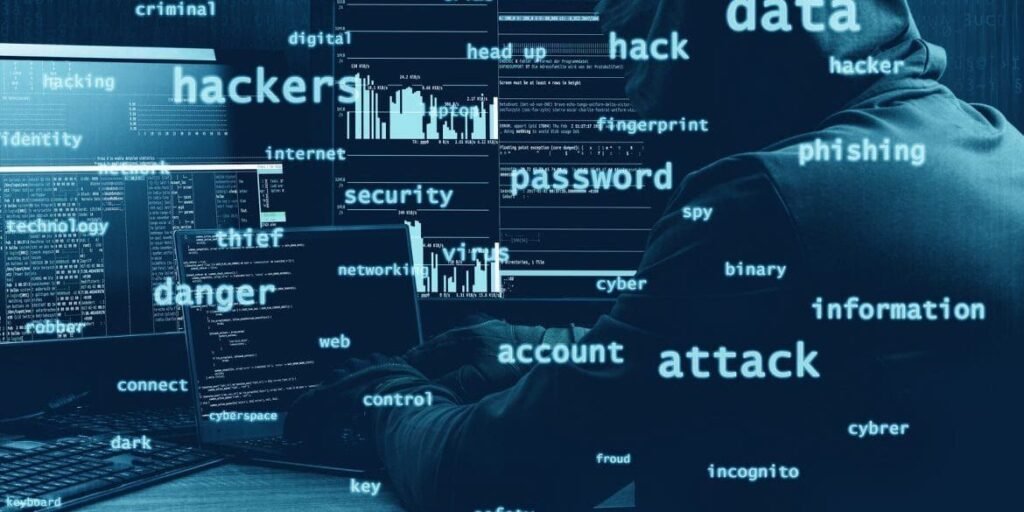
In 2017, the WannaCry ransomware attack infected over 200,000 computers across 150 countries, targeting organizations like hospitals, banks, and businesses. The attack exploited a known vulnerability in outdated Windows systems, encrypting files and demanding ransom payments in Bitcoin.
Impact on Organizations
Cyber threats can lead to financial loss, reputational damage, legal penalties, and operational downtime. For example, a ransomware attack can lock up company data, demanding payment for release, causing severe disruptions.
Examples of Cyber Risks:
- Data breaches exposing customer information
- Business downtime from malware infections
- Financial losses due to online fraud or theft
- Regulatory fines for failing compliance standards
- Real-World Example
In 2019, Capital One suffered a data breach, exposing the personal information of over 100 million customers due to a cloud misconfiguration vulnerability. The breach led to lawsuits, regulatory fines, and reputational damage.
Impact on Organizations
Cyber risks can lead to stolen intellectual property, lost revenue, and lawsuits. For example, if a retail store’s payment system gets hacked, customer credit card details could be leaked, leading to legal action and loss of trust
What is a Vulnerability?
A vulnerability is a weakness in a system that hackers can exploit to carry out cyber threats. Vulnerabilities can exist in software, hardware, or human processes.

Examples of Vulnerabilities:
- Outdated Software – Systems without the latest security patches.
- Weak Passwords – Simple passwords that attackers can easily guess.
- Misconfigured Security Settings – Firewalls or permissions that allow unauthorized access.
- Lack of Employee Training – Staff who don’t recognize phishing attempts or security best practices.
The Equifax data breach (2017) occurred because the company failed to patch a known vulnerability in Apache Struts, an open-source web framework. The breach exposed the sensitive personal information of 147 million people, resulting in massive fines and legal action.
Impact on Organizations
Vulnerabilities increase an organization’s exposure to cyber threats, making it easier for attackers to break in. If a company fails to update software regularly, hackers can exploit security flaws to gain access to critical systems
How Organizations Can Manage Threats, Risks, and Vulnerabilities
To reduce cyber threats, risks, and vulnerabilities, organizations need strong security frameworks, regular audits, and effective controls. Here’s how:
Common Cybersecurity Frameworks:
- NIST Cybersecurity Framework (CSF) – Guidelines for identifying, protecting, detecting, responding to, and recovering from cyber incidents.
- ISO/IEC 27001 – International standard for managing information security risks.
- CIS Controls – A set of best practices to defend against cyberattacks.
- PCI-DSS – Security standards for protecting payment card information.
Cybersecurity Audits & Assessments:
- Risk Assessments – Identify and prioritize security risks.
- Penetration Testing – Simulated cyberattacks to test defenses.
- Vulnerability Scans – Automated scans for system weaknesses.
- Security Awareness Training – Educating employees on cyber risks and best practices.

Effective Security Controls:
- Multi-Factor Authentication (MFA) – Extra security beyond just passwords.
- Regular Software Updates & Patch Management – Fixing security vulnerabilities.
- Network Segmentation – Limiting access between sensitive and public systems.
- Incident Response Plans – Steps to follow in case of a cyberattack.
Cybersecurity Readiness Checklist
✅ Are your systems regularly updated with the latest security patches?
✅ Do employees use strong, unique passwords and Multi-Factor Authentication (MFA)?
✅ Are cybersecurity awareness training sessions conducted regularly?
✅ Do you have an incident response plan in place?
✅ Have you performed a recent cybersecurity risk assessment?
Take Action: Request a Cyber Risk Assessment Today!
Cyber threats are constantly evolving, and every business—large or small—is at risk. At Paramoren Technologies, we offer comprehensive Cyber Risk Assessments to help identify vulnerabilities, assess risks, and implement security measures tailored to your business needs.
Contact Us Today to schedule a Cyber Risk Assessment and protect your organization from cyber threats!
Further Reading & Trusted Sources
- NIST Cybersecurity Framework: https://www.nist.gov/cyberframework
- CIS Critical Security Controls: https://www.cisecurity.org/controls
- ISO/IEC 27001 Information Security Standard: https://www.iso.org/isoiec-27001-information-security.html
- Cybersecurity & Infrastructure Security Agency (CISA): https://www.cisa.gov
By understanding and addressing cyber threats, risks, and vulnerabilities, your organization can stay ahead of cybercriminals and keep data, customers, and assets secure.


Leave a comment